
30 Jul How to Repair PVC Pipe in the Ground: Which Fix Actually Suits Your Situation
It usually starts small. A patch of lawn that stays soggy long after the rain has cleared, a faint whiff near the side path, or a toilet that gurgles like it’s trying to tell you something. By the time most homeowners cotton on, the crack in the pipe has been quietly doing its thing underground for weeks. And because the damage is out of sight, it’s dangerously easy to underestimate right up until the water bill climbs, the grass dies off in one suspicious strip, or the back lawn starts to sink a little under your feet.
The natural next move is to jump online, watch a couple of videos, and decide the whole thing is a Saturday job with a shovel and a trip to the hardware store. Sometimes it genuinely is. Other times, that shovel is the first step toward a torn-up garden, a cracked path, and a repair bill twice the size of what a plumber would have charged. The trick with any PVC pipe repair below ground is knowing which camp your problem actually falls into before you start swinging tools. Get that right and you save yourself money, mess and a whole lot of grief. Get it wrong and you learn the hard way. The real question. How do you tell the difference and what are your real options once you do?
How to Repair PVC Pipe in the Ground: Matching the Fix to the Damage
Before anyone touches a tool, you need to know what you’re actually dealing with. A hairline split behaves nothing like a section that’s been crushed by a tree root or a pipe that’s dropped out of alignment over years of ground movement. This is why the smartest first step in any cracked pipe repair is a proper diagnosis in the form of a comprehensive, professional CCTV camera fed down the line to pinpoint exactly where the fault is and how bad it’s got. Guessing leads to digging in the wrong spot, and there’s nothing more deflating than opening up a metre of lawn only to find the real trouble two metres further along.
If the pipe sits shallow and there’s clear access, the old-school approach still has its place. You dig down, cut out the damaged section, and splice in new pipe with couplings. It’s a perfectly legitimate PVC pipe repair, and for a short, accessible run it can be sensible. The catch is that plenty of older properties simply don’t offer that luxury. When the line runs beneath a tiled courtyard, a heritage path or a garden bed you’ve spent years building, the effort to repair underground the traditional way can do far more damage than the crack ever would.
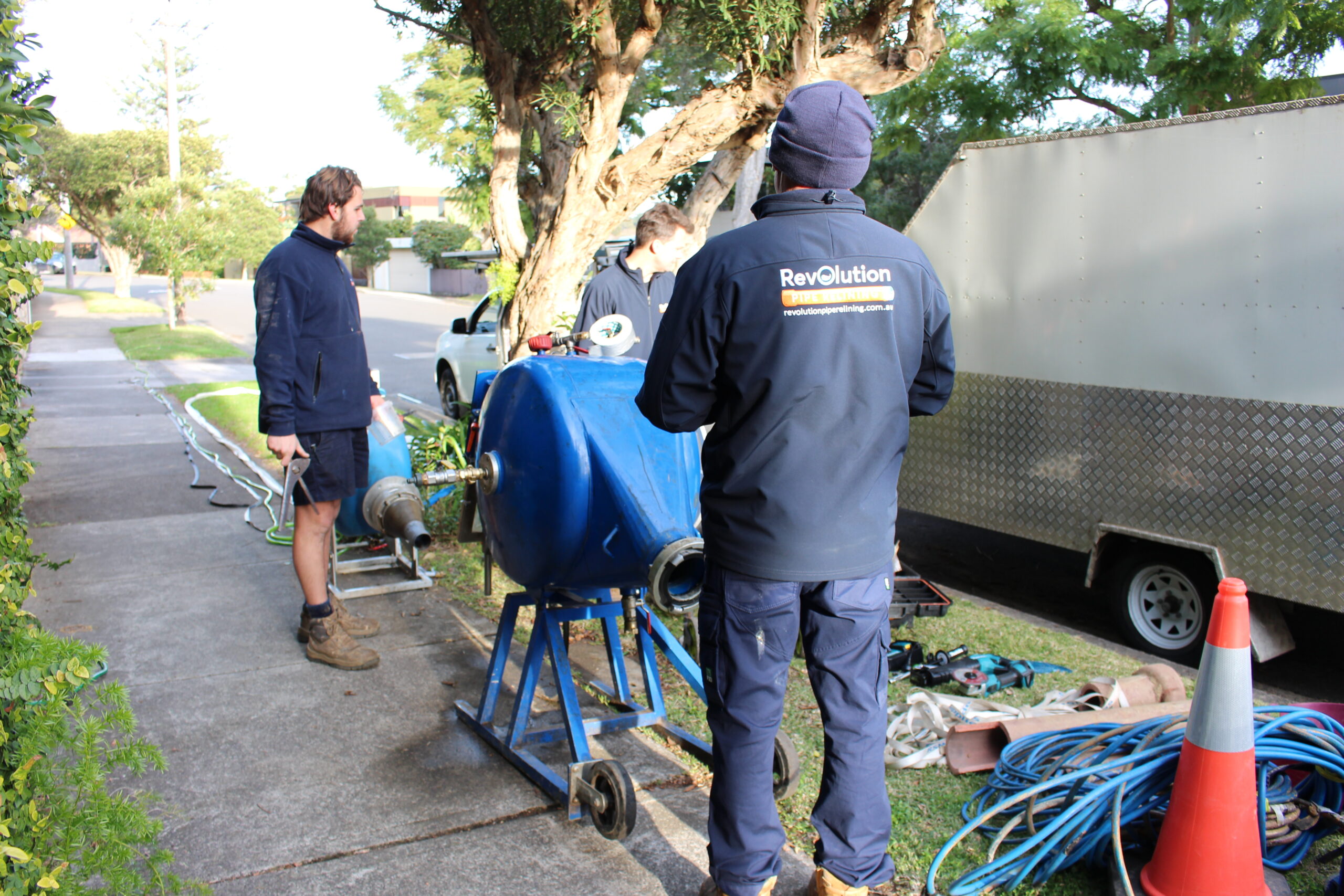
That’s exactly where the trenchless pipe relining approach earns its keep. PVC pipe relining works by drawing a resin-soaked liner into the existing pipe, then curing it in place so it hardens into a smooth, joint-free pipe within the old one. There’s no trench, no jackhammer and no wrecked landscaping, which means you can repair a PVC pipe without digging up the surface at all, working through a single small access point. For homes with awkward access, established gardens or paving you’d rather not lose, it’s often the difference between a tidy afternoon and a week of upheaval.
So where does DIY fit? Honestly, on buried lines it’s limited. Epoxy putties and slip couplings might hold on a minor, easy-to-reach crack, but they rarely last on pressurised or high-flow sewer and stormwater lines. If you’re battling recurring blockages, sewage smells, or the same cracked pipe repair rearing its head twice in a year, that’s your cue that the problem is structural. At that point, PVC pipe relining paired with a professional assessment will almost always beat a patch job, because the goal isn’t just to repair underground pipes. Instead, it is to make sure you’re not back out there with a shovel next winter. Being able to fix a PVC pipe without digging simply makes that decision far easier to live with.
Skip the Shovel and Sort It Properly with Pipe Relining
Underground pipe damage rarely sorts itself out, and the longer a crack sits down there, the more it invites root intrusion, ground shifting and the sort of slow leak that undermines foundations. The good news is you don’t have to gamble on a dodgy patch or resign yourself to a demolished backyard. A proper camera inspection tells you exactly what’s happening, and the specialists at Piperelininginnerwest.com.au have spent years turning messy, dig-everything jobs into clean fixes that homeowners genuinely rave about. Their track record with trenchless repairs speaks for itself.
If your soggy lawn or gurgling drain makes you uneasy about what’s lurking below, the smartest move is to get eyes on the problem before it gets worse. Revolution Pipe Relining pairs honest advice with upfront pricing and a genuinely tidy finish. You’re not just paying for a repair; you’re paying for peace of mind. If you want to know how to repair PVC pipe in the ground in Inner West without the stress or the guesswork, call 1300 844 353 today for a free estimate.
Sorry, the comment form is closed at this time.