
08 Jul Cast Iron Pipe Relining in the Inner West: A Practical Guide for Owners of Federation, Victorian and Mid-Century Homes
Inner West housing stock spans more than a century. From Federation and Victorian terraces in Balmain, Glebe, Newtown, Annandale, Leichhardt, Rozelle, Stanmore and Petersham, through to mid-century brick homes in Marrickville, Dulwich Hill and Lewisham, the area is defined by older buildings that have been carefully maintained above ground while relying on plumbing infrastructure that is often as old as the structures themselves. Cast iron features heavily in that infrastructure, particularly in vent stacks, waste lines and stormwater connections installed from the early twentieth century through to the late 1970s.
Time and the Sydney environment have taken their toll. Cast iron corrodes slowly and unevenly, and by the time a homeowner notices the first warning signs, the damage is usually well advanced. Cast Iron Pipe Relining in Inner West properties has become the preferred solution for restoring failing pipework without the disruption of a full excavation, particularly in heritage settings where any digging carries serious consequences.
Why Cast Iron Pipe Relining Suits Inner West Heritage and Mid-Century Homes
Cast iron pipework deteriorates through a process called graphitisation. The iron in the pipe wall reacts with moisture and chemicals in the wastewater stream and gradually leaches out, leaving behind a fragile graphite-rich shell that looks intact from the outside but has lost most of its structural integrity. Channelling forms along the invert of the pipe where flow is heaviest, and pinhole leaks, soft spots and partial collapses follow. Cast iron pipe relining is the modern alternative to ripping out the pipe and starting again, and the technique is particularly well suited to the conditions encountered across the Inner West. As a trenchless method, cast iron pipe relining avoids the destruction that traditional excavation forces upon period properties.
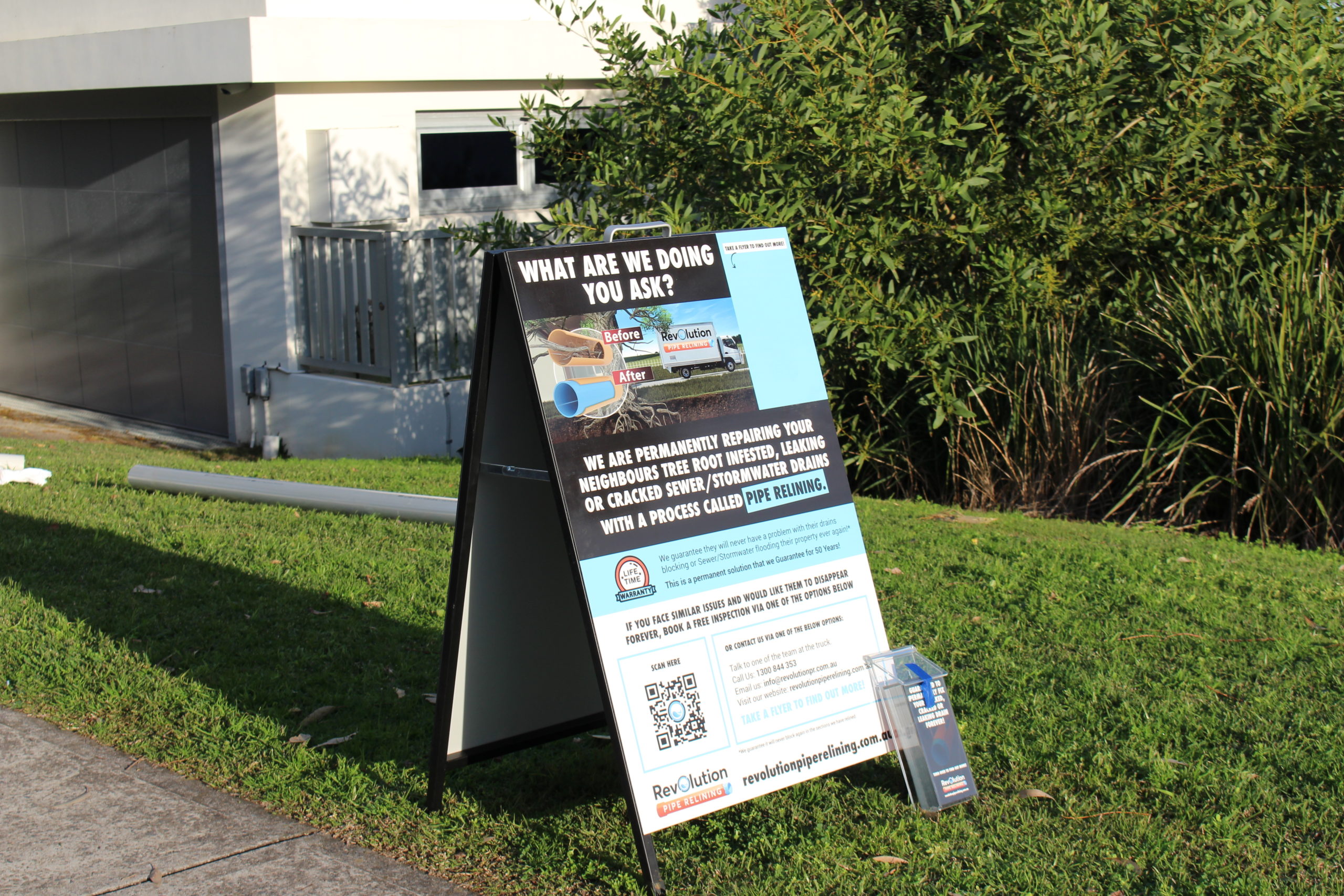
In Federation and Victorian terraces in Balmain, Glebe and Newtown, cast iron typically runs as vent stacks and waste lines from kitchens and bathrooms, often in combination with original earthenware sewer mains. Excavation on these narrow blocks is rarely simple. Tight side passages, sandstone foundations, heritage tiling and shared boundary walls all mean that any traditional dig-and-replace job becomes a major project in its own right. Specialist cast iron pipe relining services in Inner West homes avoid most of that disruption by rehabilitating the pipe from inside, using a resin-saturated liner that cures in place to form a seamless new pipe wall within the old one. Cast iron pipe relining services in Inner West locations have therefore become a standard recommendation among plumbers experienced with older housing stock.
The story is similar in mid-century housing across Marrickville, Dulwich Hill, Lewisham and parts of Annandale and Leichhardt, where cast iron was the dominant material for waste and stormwater lines built between the 1940s and 1970s. Those pipes are now 50 to 80 years old, well into the failure window for cast iron. Relining cast iron drain pipe runs in these homes preserves established gardens, paved driveways and concrete slabs while addressing the underlying problem. Where only a single section has failed and the rest of the line remains serviceable, a targeted cast iron pipe patch may be the more appropriate solution, addressing the defect without committing to a full reline. A cast iron pipe patch is often the right call for an isolated fracture at a junction, while relining cast iron drain pipe across the full run suits a line that has graphitised throughout.
Pipe relining cost is a question that comes up early in every conversation. Pipe relining cost varies according to the diameter of the pipe, the total length being treated, the number of access points available, the severity of the existing damage and whether the work involves vertical stacks, horizontal runs or both. For Inner West homeowners, the comparison is rarely against doing nothing. It is against the alternative of excavating beneath a heritage terrace, reinstating sandstone foundations, replacing tiling and tearing up landscaped courtyards. On that basis, pipeline relining in Inner West properties is almost always the more economical long-term decision. A properly scoped programme of pipeline relining in Inner West homes begins with a CCTV inspection that establishes exactly what is in the ground before any quote is finalised, ensuring that cast iron pipe relining in Inner West properties is matched precisely to the condition of the line.
Trust Expert Cast Iron Pipe Relining in the Inner West
Cast iron failure in an Inner West home is not a problem that responds well to delay. The longer a pipe is left to deteriorate, the more likely a contained issue becomes a structural one, with all the excavation and reinstatement work that implies. Revolution Pipe Relining offers specialist cast iron rehabilitation across the Inner West, combining high-definition CCTV diagnostics with trenchless relining techniques designed for heritage and mid-century properties. Their licensed team understands the construction quirks of older Inner West homes and works to deliver lasting results without unnecessary disruption to the features that make these properties valuable in the first place.
For Inner West homeowners who would like a no-obligation quote on cast iron pipe relining or any associated drainage work, Revolution Pipe Relining can be reached on 1300 844 353. A short call now is the simplest way to understand the condition of the pipework and the realistic options for putting it right.
Sorry, the comment form is closed at this time.