
15 Aug Ways to Deal with Trees with Invasive Roots You’re Not Allowed to Remove
The plumber packs up the jetter and gives you the verdict you were half expecting: invasive tree roots. Not a few stray hairs, but a solid mat sitting in a joint six metres past your back step. He turns the camera screen around and says the thing that makes the whole problem feel unfixable. The big one out the front is a council street tree. It was there before your kitchen renovation, before the place next door was subdivided, possibly before your family arrived in the country. You aren’t allowed to touch it. And its roots are living rent-free inside your sewer line.
This is the part of the tree root conversation that almost nobody covers properly. Nearly every article about invasive tree roots assumes you own the tree, and that dealing with it means hiring someone with a chainsaw and a ute. In older suburbs full of narrow blocks, shared boundaries and heritage conservation areas, that assumption falls apart in about thirty seconds. The tree wrecking your drain is usually on the nature strip, leaning over the neighbour’s fence, or protected by controls that turn removal into a formal application with a fee and a waiting period. The real question was never which tree to blame. It’s what you do when the cause sits legally out of your reach.
The Trees with Invasive Roots You Can Point At But Can’t Touch
The offenders themselves are no secret. Any list of trees with invasive roots opens with camphor laurel, weeping willow, poplar and liquidambar, then the figs, and the rubber tree somebody’s great-aunt planted in 1962 because it was fashionable. Worth adding are the trees that spread by roots rather than seed, like poplars, privet and running bamboo, which throw up fresh trunks metres from the parent and widen their territory each season. What that list never tells you is who owns the thing, and that detail decides whether you’re facing a gardening job or a plumbing one.
Roots don’t read title deeds. A mature specimen sends structural roots out two to three times the width of its canopy, so a tree twelve metres away on the footpath is well within range of your back drain. The trees with invasive roots in Australia that cause the most sewer damage aren’t drilling through sound pipes either. That myth deserves to die. They follow moisture vapour escaping from a hairline crack or a perished joint in hundred-year-old earthenware, then thicken once inside. The invasive tree roots are the symptom. The failed joint is the disease.
Then there’s the paperwork, which is where the standard list of trees with invasive roots stops being useful advice. Councils protect most trees above roughly five metres tall or 300mm in trunk diameter, with only minor works exempt, such as pruning deadwood or lifting the canopy to 2.5 metres. If the tree sits on a heritage list or inside a conservation area, you need a development application rather than a simple permit, and even a dead tree usually needs consent before it comes down. Determinations commonly take around 28 days. Where the tree belongs to a neighbour, the NSW Trees (Disputes Between Neighbours) Act offers a pathway through the Land and Environment Court, but it’s slow and rarely ends with the tree gone.
Which leaves the option most people arrive at last and should have considered first. Root cutting and jetting clear the pipe beautifully, then buy you twelve to eighteen months before the same root system finds the same crack. Most trees with invasive roots in Australia will simply try again, and trees that spread by roots are especially relentless about it. Professional pipe relining flips the logic. In this process, a resin liner cures inside your existing pipe and forms a seamless, jointless barrier with no entry point left to exploit. The tree keeps drawing water from the soil, your drain keeps flowing, and nobody argues with the council.
Let the Tree Stay, Just Take Away Its Access with Expert Pipe Relining
There’s something quietly satisfying about solving this from the inside out. You don’t need permission to fix your own pipe, you don’t need to fall out with the neighbours over a jacaranda, and you don’t need to lodge a form with anyone. A CCTV inspection shows precisely where the roots are entering and how far the damage runs, turning a vague, stressful problem into a defined section of pipe with a fixed price attached. If you’d like to see what that looks like under your own place, the team at Piperelininginnerwest.com.au does this work daily.
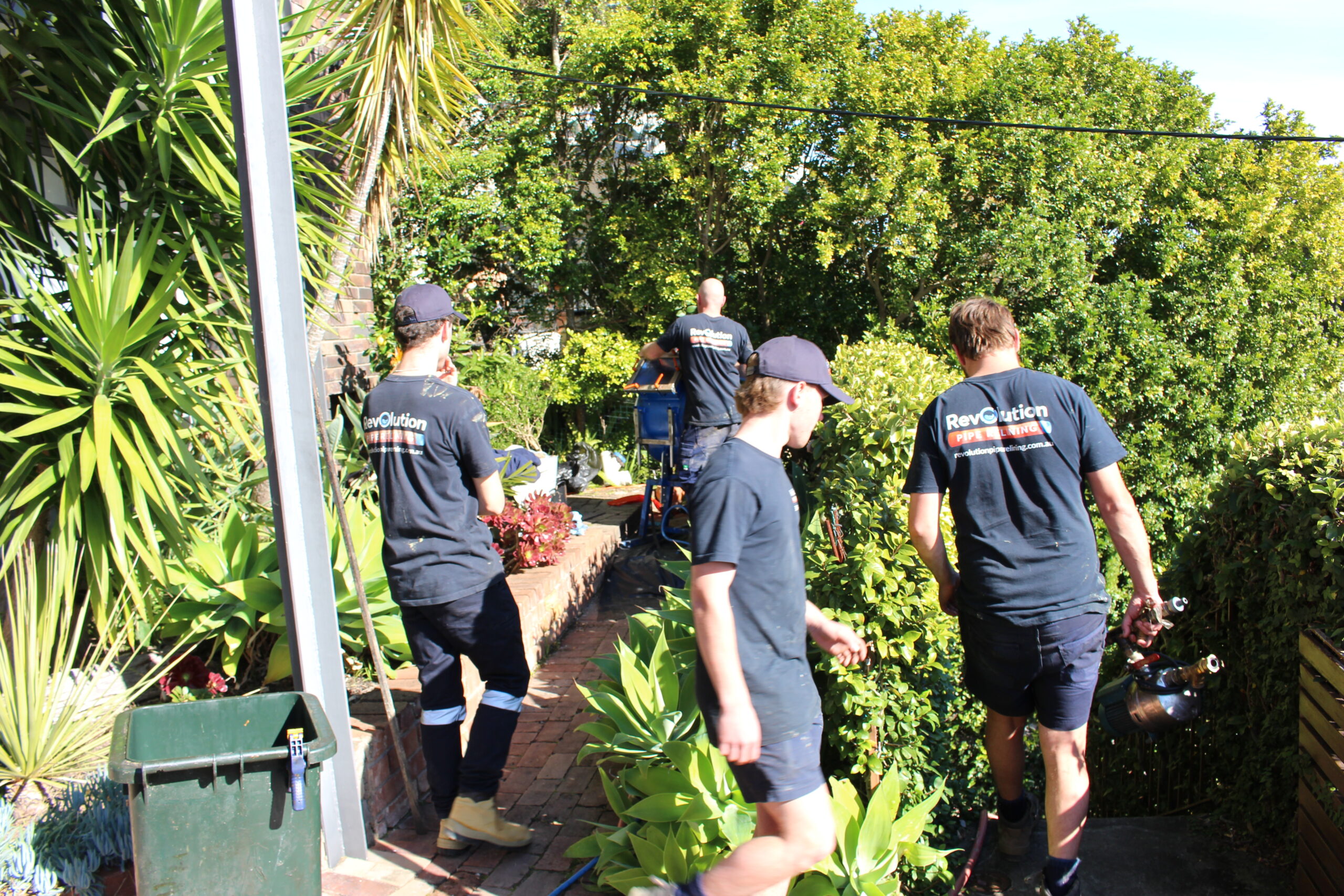
Revolution Pipe Relining has spent decades on exactly this problem, backs every relined section with a lifetime guarantee, and returns each year for a free CCTV check to confirm it’s still holding, which is not something the average drain contractor will put in writing. If trees with invasive roots in Inner West have turned your drains into a recurring annual expense, call 1300 844 353 for a no-obligation quote, and find out what it takes to make this the last time you ever deal with it.
Sorry, the comment form is closed at this time.